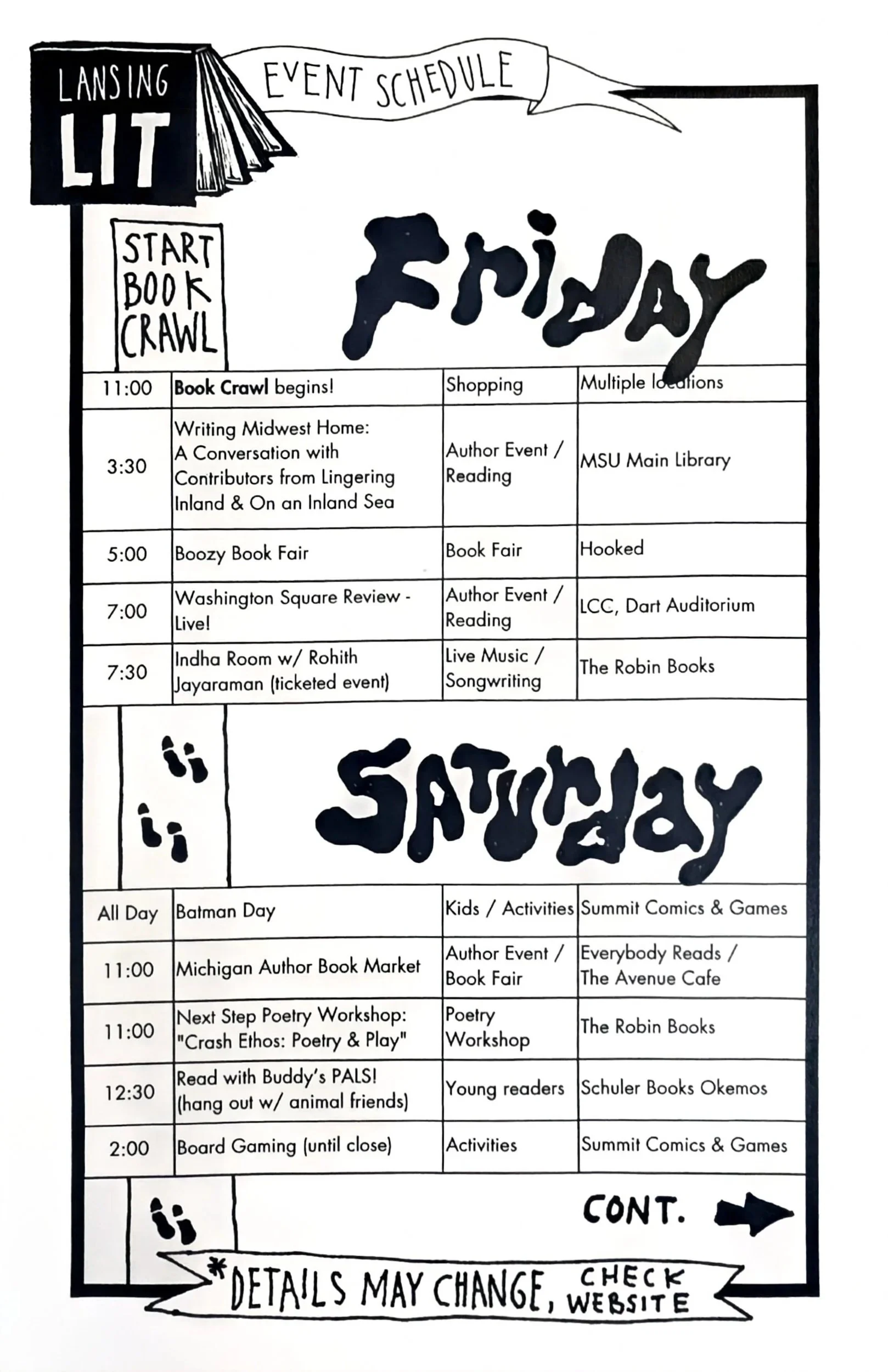
Star Gazing with Robert C. Victor @ 8:30 p.m. on August 19, 2026
"Star Gazing with Robert C. Victor
Plan to join us at 8:30 p.m. on Wednesday, August 19th, as Robert C. Victor comes to EVERYbody Reads and points his telescope into the heavens in front of the store.
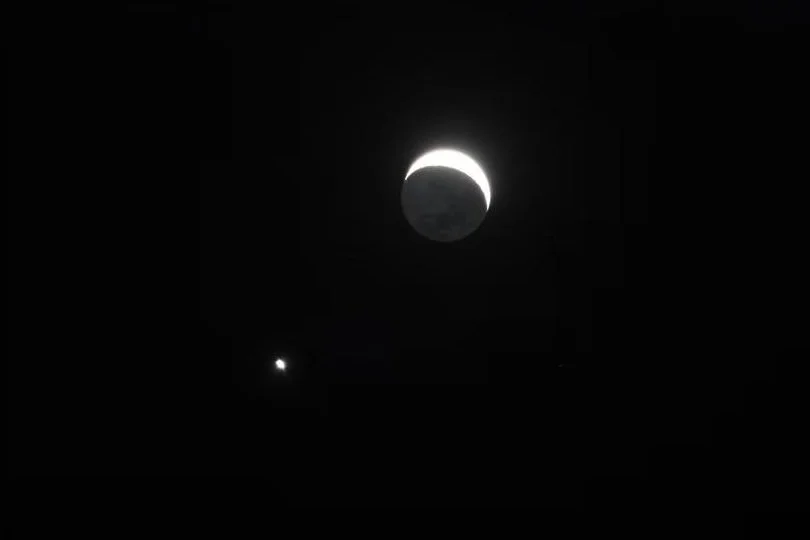
We will begin seated inside promptly at 8:30 p.m. where Robert will tell us about coming events in the night sky and how, on this night, we will be able to witness excellent details of the moon and also gaze upon Venus. Then he will lead us outside to see for ourselves through his telescope. If it is cloudy, we will have an inside program with more about coming events in the sky. Either way, the evening will be full of previews of coming of events - such as the eclipse of the moon which will occur 8 days later.
As many of you know, Robert originated the Abrams Planetarium Sky Calendar in 1968. This monthly one-page publication continues to be a favorite guide for those of us who like to lift our eyes to the stars. We are so very fortunate that Robert is a dear friend of EVERYbody Reads and continues his passion of sharing the sky with others. It will be an exciting evening!"
The preview will include visually striking sky events of the coming year through July 2027, including the coming deep partial lunar eclipse a few days before Venus, the brilliant evening "star" very low in WSW at dusk, makes its first of three passages by the star Spica, marking the spike of grain in Virgo; Venus's imminent departure from the evening sky; its crescent phases during its swing close to Earth; the completion of its triple conjunction with the star Spica, including a close loop around that star on mornings in November as Venus makes a sudden, spectacular entry into the predawn sky; a close Mars-Jupiter conjunction in Leo, high up in November's morning sky, followed by a triple conjunction of Mars with the star Regulus, Leo's brightest star marking the heart of the Lion. The first of the Mars-Regulus pairings is in late November 2026, while Jupiter holds off passing the star until late in July 2027. The second Mars-Regulus pairing is in late February 2027, when Mars and Jupiter will be at their brightest and, along with Regulus, will be visible all night. From late February onward, we'll be able to follow these planets' actions in the evening, to see Mars retrograde to within a few degrees east of Jupiter in late March, and pass Regulus a third time in mid-May. Jupiter finally passes Regulus on July 26, 2027, just before ending their apparition low in the western evening twilight. Mars will then be 37 degrees to upper left of the Jupiter-Regulus pair, and still easily visible, but much faded from its
February glory. Four weeks later, on August 23, Mars will pass Spica, nearly one year after Venus does so on September 1, 2026!